Preloader

The Science Behind Innovation

Photonics International R&D Center. Presicion Innovation and Quality

Photonics International R&D Center develops photonics-based sensors for military and dual-use applications. We collaborate with European partners to turn concepts into validated prototypes.

Years Of Experience
0 +

Trusted By

5k+ Satisfied Clients

Mission

To advance photonics technologies through R&D collaboration, experimental validation, and engineering-driven development, addressing real operational needs.

Goal

Photonics International R&D Center develops advanced photonic sensors for military and dual-use applications. With European partners, we support innovation from concept to validated prototypes.

Vision

Become a recognized European center of excellence in defence-oriented photonics, advancing strategic autonomy in night-vision and next-generation sensor systems.

Objectives

  • Collaborate with European partners to turn research concepts into validated, deployable technologies.
  • Develop technologies using precise, reproducible processes to ensure reliable, high-performance results.

How Does it Work?

Engineering & Research Collaboration

Industry Collaborations
0 K+

International collaboration drives the development of advanced photonics sensor technologies.

Key Research Fields

Core Research Areas

Each research area is driven by specialised teams, advanced lab infrastructure, and rigorous methods. We focus on applied research, system-level validation, and real-world optical performance.

Next-generation night-vision technologies

Filmless image intensifiers with nanoengineered plates and advanced photocathodes boost low-light sensitivity at UV-C (200–280 nm) and near-infrared (~1060 nm).

Hybrid & Digital Night-Vision Sensors

Electron-bombarded and hybrid systems combining image intensifiers with CMOS readout for compact, lightweight, high-frame-rate night-vision solutions.

High-Precision Photonics Components

Materials, processes, and epitaxial (GaAs) technologies with advanced testing and AI inspection for reliable, production-ready performance.

AI-Enhanced Image Processing

AI for denoising, contrast optimization, automatic gain control, and real-time threat recognition in degraded visual environments

Explore our applied research and engineering capabilities

Proven Track Record

Team

Photonics International R&D Center is supported by an interdisciplinary team that carries ideas from research to real, validated technologies.

Supporting European autonomy in night-vision and advanced sensor technologies

Developing high-performance photonics sensors ready for defence and dual-use applications

Turning innovations into reliable, manufacturable solutions through testing and precision processes

The key approach is to strengthen European autonomy by developing high-performance photonics sensor technologies for defence and dual-use applications and advancing them into manufacturable solutions.

Research & Engineering Activities

From Photonics Research to Optical Systems

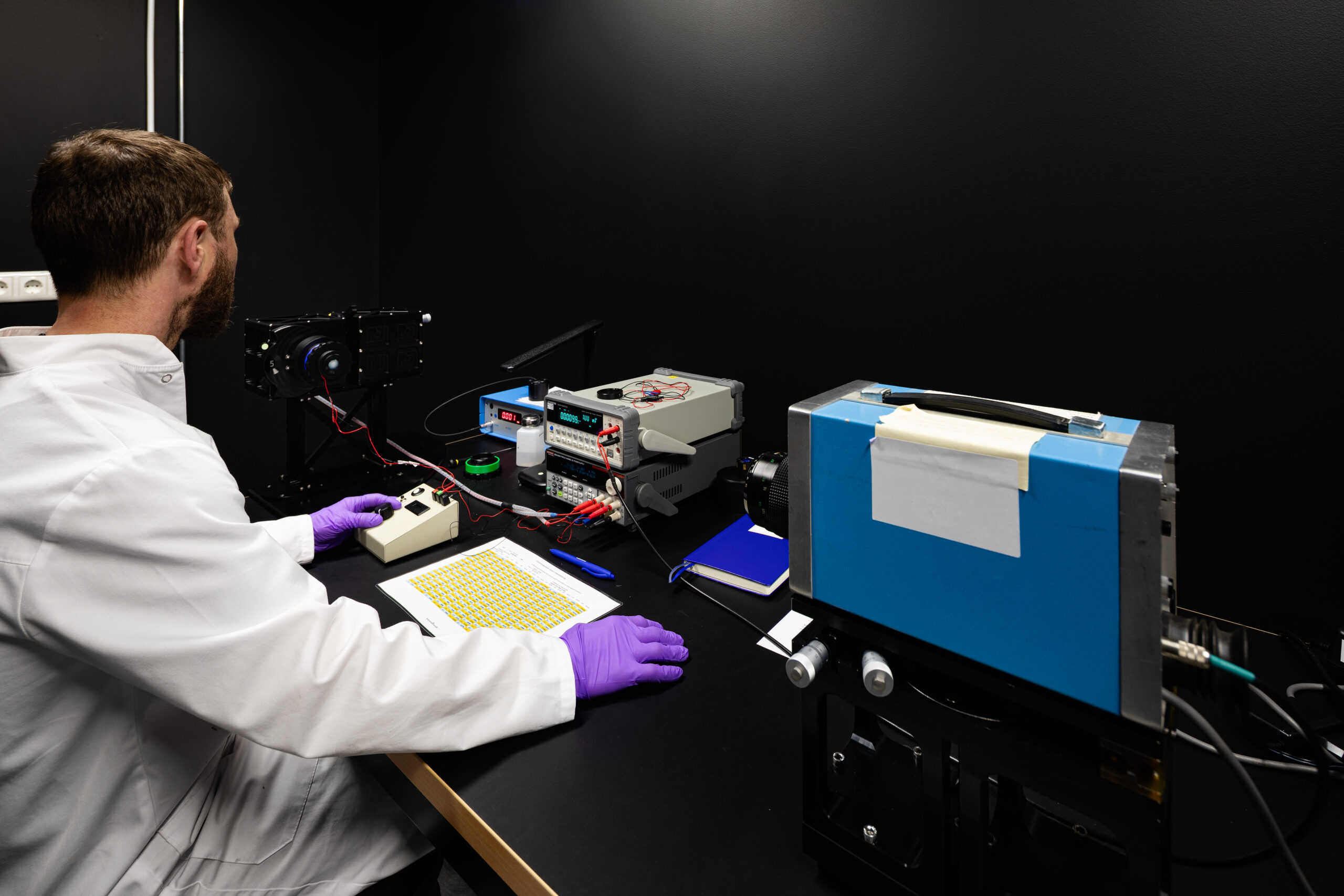
At the core of our work is applied photonics research focused on precision engineering, experimental validation, and system-level performance. We develop, test, and evaluate optical technologies designed for real-world implementation.

Next-Generation Night-Vision Technologies

Development of advanced image intensifier architectures, including filmless designs and nanoengineered microchannel plates, to improve sensitivity, image clarity, lifetime, and manufacturability for low-light defence applications.

Advanced Photocathodes and Spectral Technologies

High-performance photocathodes for UV-C detection (200-280 nm) and near-infrared detection (~1060 nm), enabling early threat detection, laser warning, and directed-energy monitoring.

Hybrid and Digital Night-Vision Sensors

Electron-bombarded and hybrid sensor systems combining image intensifiers with CMOS readout for compact, lightweight, high-frame-rate solutions.

High-Precision Photonics Components and Quality Assurance

Development of materials, epitaxial technologies (including GaAs), and precision manufacturing supported by advanced testing and AI-driven inspection for reliable, scalable deployment.

Example Research Directions

Applied Photonics Research Grounded in Scientific Rigor

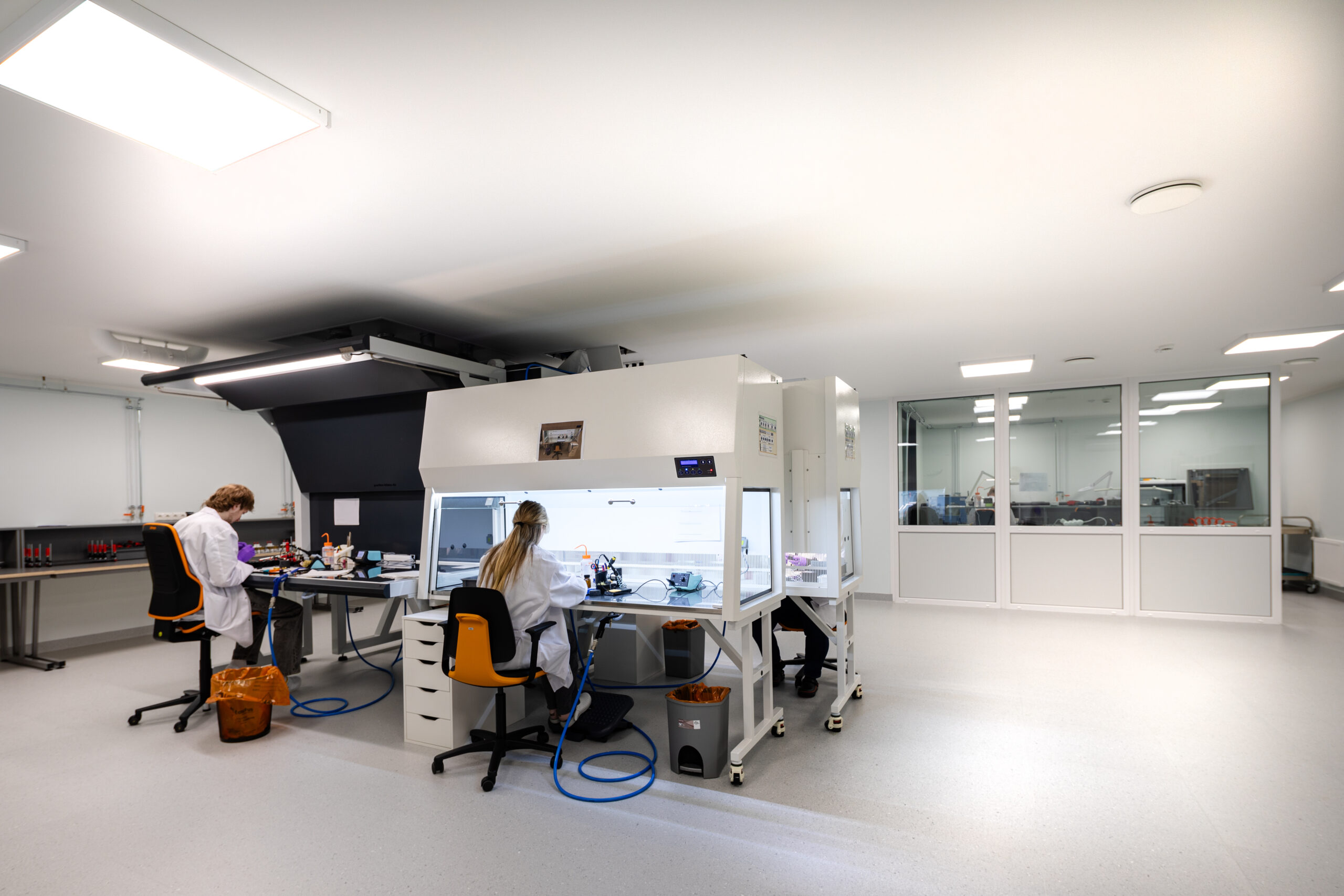
Laboratory-Based Research

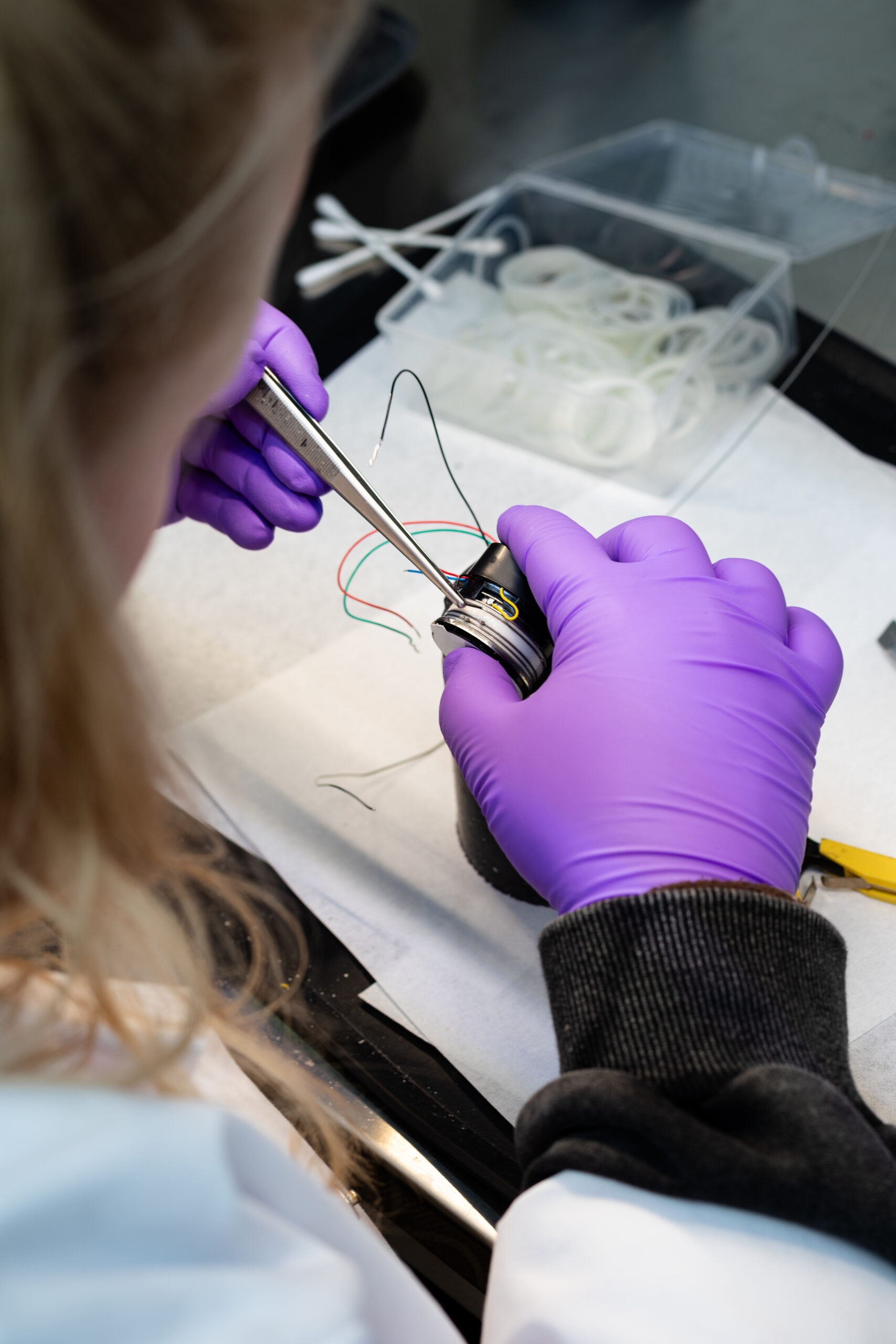
Precision engineering and controlled experimental environments

Research Methodology

From Research Design to Validated Optical Performance

Our research process is built on precision engineering, experimental validation, and reproducible laboratory methodologies. Each study follows a structured approach designed to ensure accuracy, transparency, and system-level performance evaluation.

Research Definition & Scope

Each research activity begins with defining the research objectives, technical scope, and evaluation criteria to ensure alignment with applied photonics and optical engineering goals.

Step 01

Experimental Design & Methodology

Experimental methodologies, measurement techniques, and validation protocols are selected based on the specific optical systems, components, and performance parameters under investigation.

Step 02

Validation & Performance Evaluation

Experimental results are analyzed and evaluated at the system level to support validation, optimization, and further applied photonics research.

Step 03

Validation & Performance Evaluation

Experimental results are analyzed and evaluated at the system level to support validation, optimization, and further applied photonics research.

Step 04

Questions About Research Collaboration

Browse our most asked questions

We’ve compiled answers to the most common questions about our lab services, research process, and capabilities.

We specialize in laboratory testing, analytical research, scientific custom experiments and data interpretation.

We specialize in laboratory testing, analytical research, scientific custom experiments and data interpretation.

We specialize in laboratory testing, analytical research, scientific custom experiments and data interpretation.

We specialize in laboratory testing, analytical research, scientific custom experiments and data interpretation.

We specialize in laboratory testing, analytical research, scientific custom experiments and data interpretation.

Our Research Team

Research Culture & Scientific Principles

You'll meet with our scientific advisor to define your research goals, scope, and budget. You'll meet with our scientific advisors to define your research.

Jenny Wilson Lab Supervisor

You'll meet with our scientific advisor to define your research goals, scope, and budget. You'll meet with our scientific advisors to define your research.

Grace Martin Lab Supervisor

You'll meet with our scientific advisor to define your research goals, scope, and budget. You'll meet with our scientific advisors to define your research.

Emma Davis Project Coordinator