Our research in AI-enhanced image processing focuses on real-time low-light denoising, adaptive contrast optimisation, intelligent feature extraction, and automated threat recognition in degraded visual environments. By combining photonic sensor outputs with edge AI pipelines, we develop deployable imaging intelligence systems for defence surveillance, autonomous sensing, and mission-critical decision support.
From optical signal enhancement to real-time situational awareness, our teams turn raw photonic data into actionable visual intelligence designed for operational deployment.
Our translational AI workflow connects photonic sensing, neural enhancement models, and real-time deployment pipelines. By integrating optical data streams with edge inference, adaptive denoising, and object-level recognition, we accelerate the transition from raw sensor outputs to deployable AI-assisted imaging systems.
Transform noisy optical data into clear, actionable intelligence.
Accelerate AI vision for seamless real-time operational deployment.
Enable reliable detection and recognition in degraded and low-visibility environments.
Deliver systems engineered for stability, scalability, and mission-critical performance.
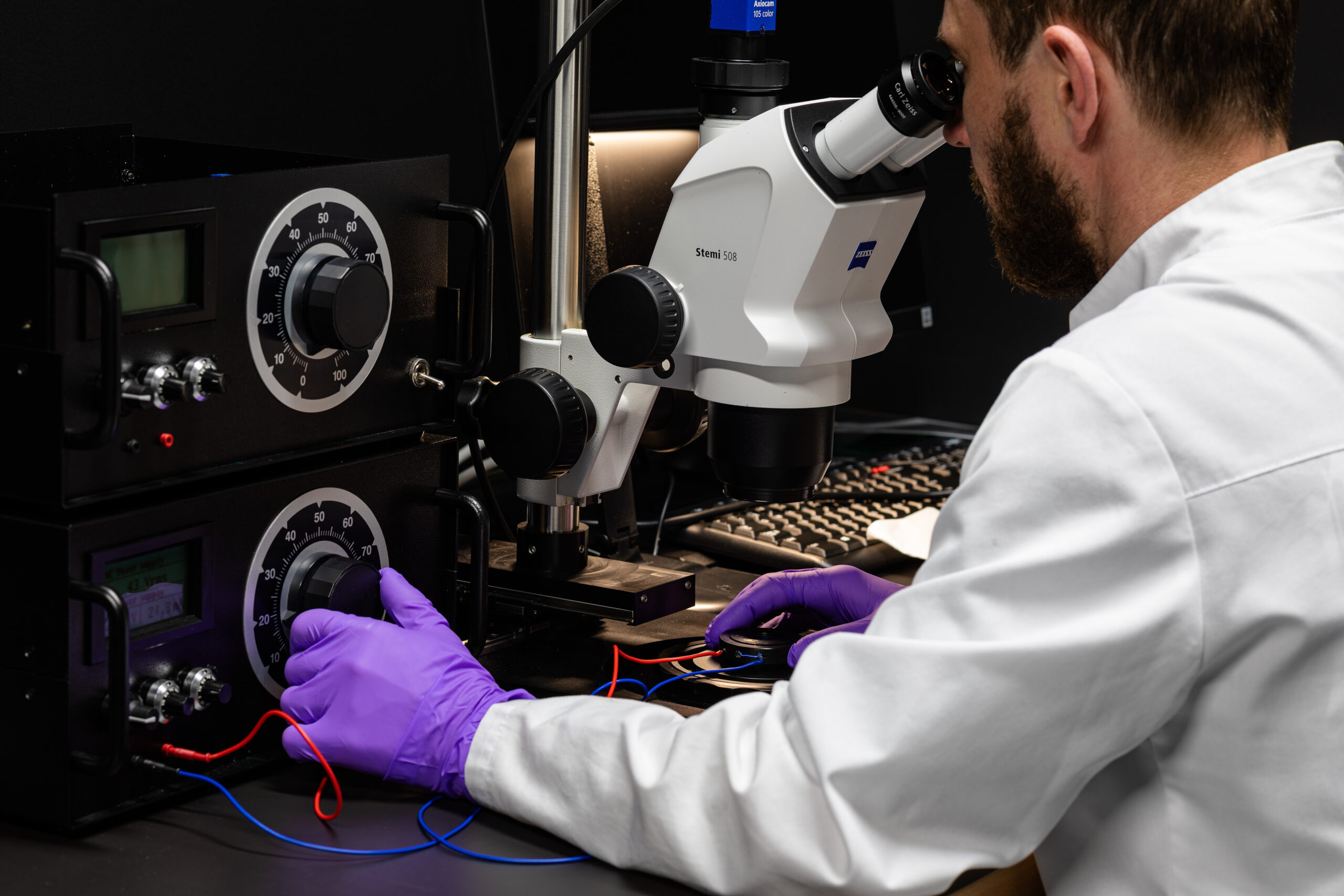
Neural enhancement, denoising, and contrast optimisation for low-light and degraded visual data.
Real-time object detection, classification, and situational awareness pipelines for operational imaging.
Fast transition from AI models to embedded inference systems built for real-time use.
We combine photonic signal science with applied AI engineering to deliver measurable gains in visual intelligence. From denoising and contrast reconstruction to autonomous threat classification, our work is guided by latency efficiency, recognition accuracy, and deployment reliability in real-world environments.
We define recognition targets, latency thresholds, degradation scenarios, and deployment constraints at the earliest stage of development.
We rapidly validate denoising performance, benchmark threat recognition, and stress-test real-time inference under realistic operating conditions.
Progress in AI-enhanced imaging depends on collaboration across defence software, embedded systems, and photonic sensing ecosystems. We work with AI partners, systems integrators, and imaging technology teams to accelerate the development of deployable real-time vision solutions.
Joint research with computer vision, embedded AI, and photonic intelligence laboratories.
Long-term partnerships with defence software, embedded AI, and surveillance technology organisations.
Co-development of deployable AI vision and real-time threat recognition systems.
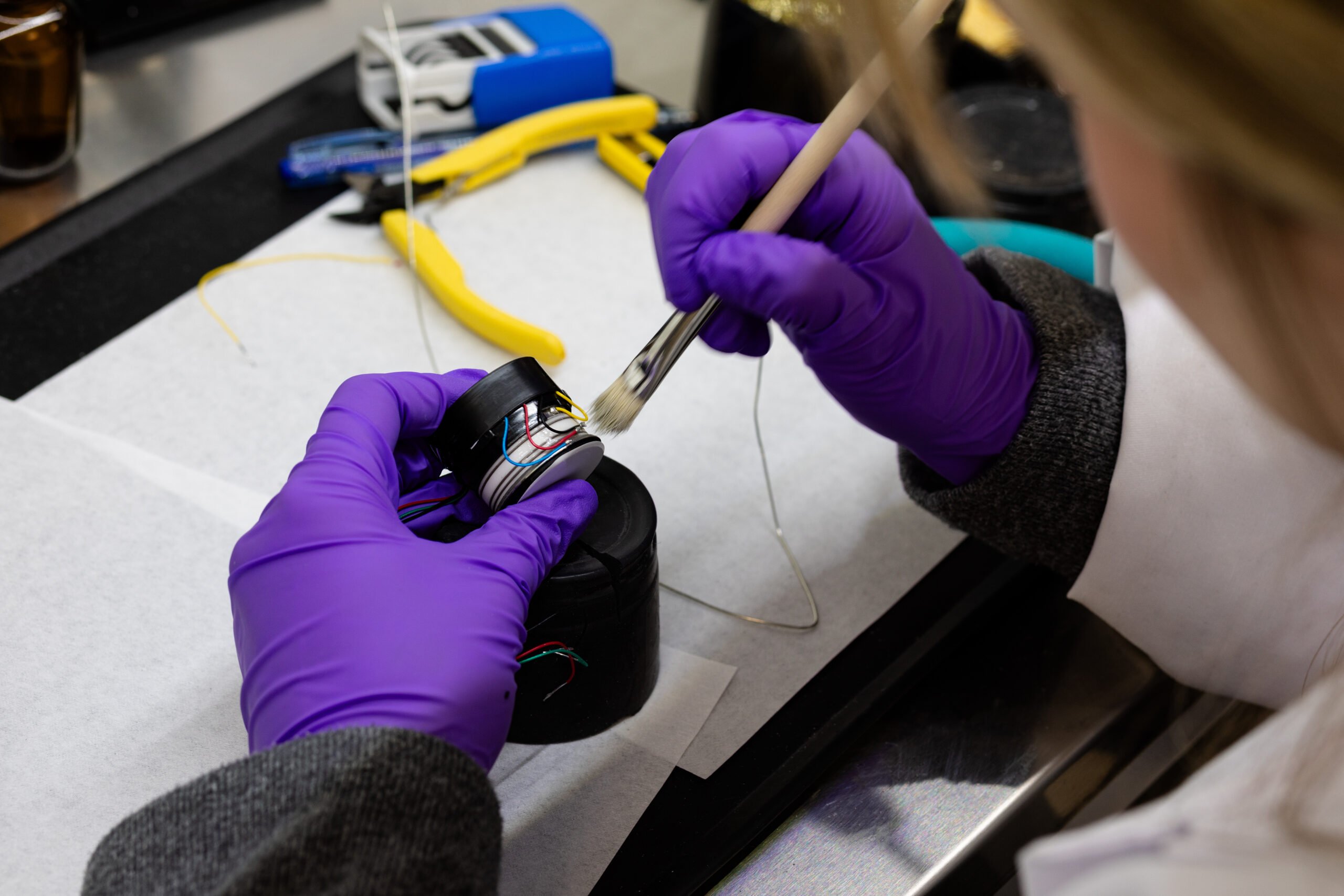

An international R&D center specializing in applied photonics, optical system development, and experimental validation, bridging fundamental research with real-world optical performance.
Copyright © 2026 All Rights Reserved.